
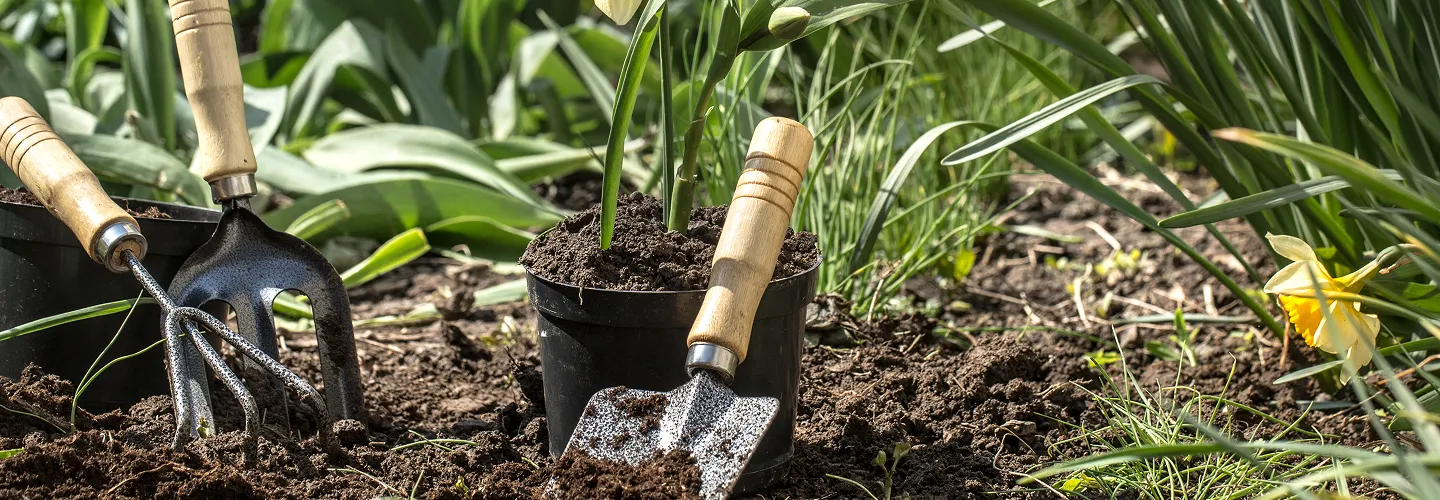
Bee Cave Weeding Services
Choose our professional weeding services for a healthier, more beautiful landscape—our experienced team removes unwanted growth efficiently, ensuring your plants thrive and your yard stays immaculate all season long.
Get a Free QuoteOur Bee Cave Landscaping & Yard Care Services
When to Schedule Weeding in Bee Cave, Texas – Seasonal Guide
In Bee Cave, Texas, the timing of weeding is crucial for maintaining healthy, attractive landscapes throughout the year. The region’s climate features hot summers, mild winters, and variable rainfall, which means weeds can thrive if not managed proactively. Optimal weeding typically occurs in early spring and late fall, just before and after the main growing season. This approach helps prevent weed seeds from germinating and spreading, especially in neighborhoods like Falconhead West and The Homestead, where native grasses and ornamental beds are common.
Local environmental factors play a significant role in determining the best weeding schedule. For example, Bee Cave’s clay-rich soils retain moisture, encouraging weed growth after heavy rains, while shaded areas near Barton Creek or under mature live oaks may require more frequent attention due to persistent humidity. Homeowners should also consider the last frost date—usually in late February—and the onset of summer drought conditions, which can stress desirable plants and give weeds a competitive edge. For more information on local environmental guidelines, visit the Sudbury municipal site.
Local Factors to Consider for Weeding in Bee Cave
- Tree density and shade coverage, especially in established neighborhoods
- Soil type (clay vs. sandy loam) and drainage
- Seasonal precipitation patterns and drought risk
- Proximity to creeks, greenbelts, or natural preserves
- Municipal restrictions or HOA landscaping guidelines
- Terrain slope and erosion potential
Benefits of Weeding in Bee Cave
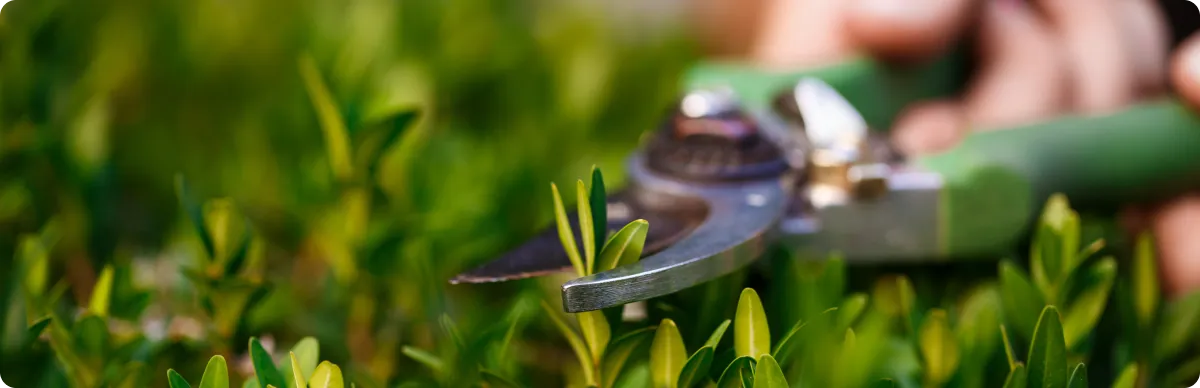
Expert Landscaping Team
Efficient Weed Removal
Eco-Friendly Practices
Customized Lawn Care
Consistent Service Scheduling
Enhanced Curb Appeal
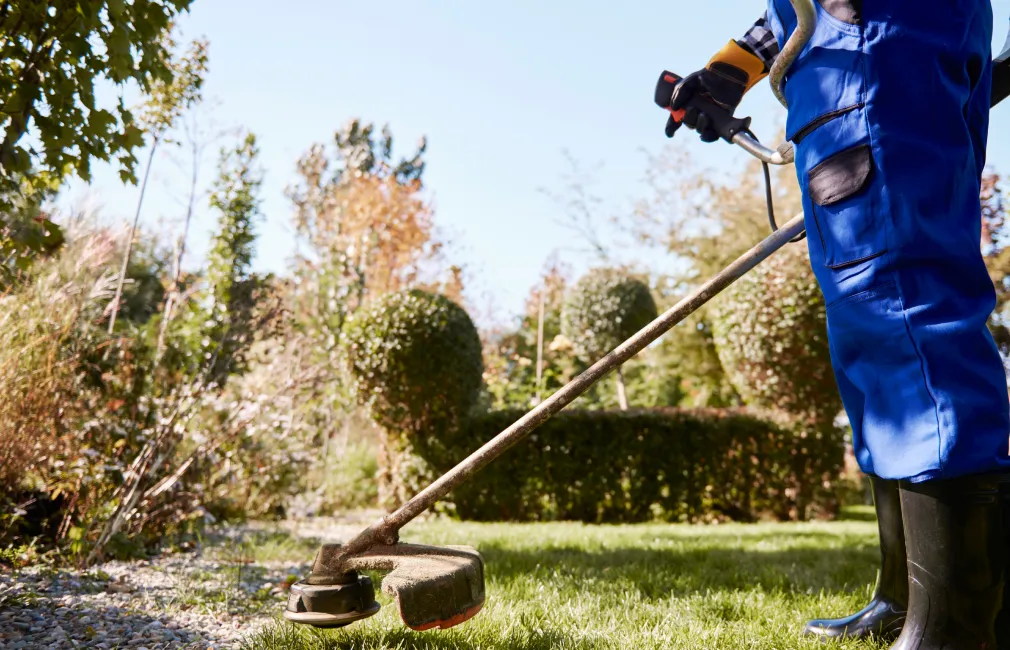
Bee Cave Weeding Types

Hand Weeding
-
Mulching for Weed Control
-
Pre-Emergent Herbicide Application
-
Post-Emergent Weed Removal
-
Landscape Fabric Installation
-
Selective Weed Spraying
-
Mechanical Weed Removal
Our Weeding Process
Site Evaluation
Weed Identification
Targeted Removal
Soil Treatment
Final Inspection
Why Choose Bee Cave Landscape Services
Bee Cave Homeowners Trust Us
-
Local Expertise
-
Reliable Lawn Maintenance
-
Competitive Pricing
-
Professional Team
-
Satisfaction Guarantee
-
Personalized Service
-
Eco-Friendly Solutions
Managing Weeding in Bee Cave’s Expansive Clay and Limestone Soils
Weeding practices in Bee Cave must account for the city’s predominant Houston Black clay and Brackett limestone-derived soils, as identified by the USDA Web Soil Survey. These soils are characterized by high clay content, alkaline pH (7.5–8.2), and poor drainage, which can promote weed proliferation and complicate root removal. Effective weeding requires:
- Soil testing (recommended every 2–3 years) through Texas A&M AgriLife Extension
- Deep hand-pulling or mechanical extraction to at least 4–6 inches for taprooted species
- Incorporation of 2–3 inches of compost to improve structure and reduce compaction
- Mulching with 2–4 inches of organic material to suppress regrowth
Coordination with municipal code enforcement ensures compliance with property maintenance standards.
Bee Cave Code Enforcement Division
4000 Galleria Parkway, Bee Cave, TX 78738
Phone: (512) 767-6675
Official Website: Bee Cave Code Enforcement Division
Seasonal Weeding Timing and Weather Considerations for Bee Cave
Bee Cave’s USDA Hardiness Zone 8b climate, with average last frost in early March and first frost in late November, shapes optimal weeding windows. The National Weather Service Austin/San Antonio Office provides local forecasts critical for scheduling. Best practices include:
- Spring weeding: March 15 – May 15, when soil moisture is moderate and weeds are actively growing
- Fall weeding: September 15 – October 31, before seed set and after summer heat
- Avoiding weeding during peak summer (June–August) due to soil compaction risk and heat stress
- Monitoring rainfall to prevent soil disturbance during saturated periods
Timely intervention reduces weed seed bank and supports healthy turf and garden beds.
Bee Cave’s Stormwater Compliance and Buffer Zone Requirements for Weeding
Weeding activities in Bee Cave must comply with the city’s MS4 stormwater permit and the federal Clean Water Act. Key requirements include:
- Maintaining a 25-foot no-disturbance buffer from wetlands and drainageways
- Prohibiting disposal of weeds or soil in storm drains
- Using biodegradable bags or 32-gallon bins for yard waste collection
- Avoiding herbicide application within 50 feet of water bodies
Violations may result in enforcement actions by city or state agencies. For further guidance, consult:
Bee Cave Stormwater (MS4) Program
4000 Galleria Parkway, Bee Cave, TX 78738
Phone: (512) 767-6675
Official Website: Bee Cave Stormwater (MS4) Program
Texas Commission on Environmental Quality
12100 Park 35 Circle, Austin, TX 78753
Phone: (512) 239-1000
Official Website: Texas Commission on Environmental Quality
Equipment Operation Hours and Safety Standards for Weeding in Bee Cave
Bee Cave enforces municipal noise ordinances and equipment safety standards for outdoor maintenance, including weeding. Permitted equipment operation hours are:
- Monday–Friday: 7:00 AM – 7:00 PM
- Saturday: 8:00 AM – 6:00 PM
- Sunday and holidays: Prohibited
Operators must use:
- ANSI Z87.1 safety glasses
- Hearing protection for equipment exceeding 85 dB
- Steel-toed boots and cut-resistant gloves
- Maintain a 15-foot clearance from power lines and public walkways
Compliance is monitored by city code enforcement and the police department.
Bee Cave Police Department
13333-A Highway 71 West, Bee Cave, TX 78738
Phone: (512) 767-6681
Official Website: Bee Cave Police Department
What Neighborhoods Do We Serve Throughout Bee Cave, TX?
- Falconhead: Features dense clay soils and sloped lots, requiring erosion control and deep-root weeding to prevent runoff into nearby creeks.
- The Uplands: Large lots with mature oak trees and alkaline soils; weed management must account for extensive root systems and HOA landscaping standards.
- Spanish Oaks: Gated community with strict maintenance guidelines, proximity to Barton Creek, and sensitive buffer zones for water quality protection.
- Homestead: Rural character with expansive properties, native grasslands, and frequent wildlife, necessitating careful species selection and minimal chemical use.
- Bee Cave West: Newer developments with compacted fill soils and limited topsoil, requiring soil amendment and regular monitoring for invasive weeds.
- Ladera: Close to Bee Cave Central Park, with high foot traffic and public visibility, emphasizing compliance with city appearance ordinances and safe equipment operation.
- The Preserve at Barton Creek: Adjacent to conservation areas, requiring strict adherence to buffer requirements and stormwater best practices to protect sensitive habitats.
State and Federal Environmental Regulations Impacting Weeding in Bee Cave
Weeding services in Bee Cave are governed by the Texas Water Code and the Clean Water Act, which regulate runoff, chemical use, and waste disposal. The Texas Commission on Environmental Quality oversees MS4 stormwater compliance, while EPA Region 6 provides federal oversight. Key compliance steps include:
- No herbicide or fertilizer application within 50 feet of water bodies
- Use of only EPA-registered products for weed control
- Proper disposal of yard waste through municipal collection programs
- Soil testing and plant selection guidance from Texas A&M AgriLife Extension
Non-compliance may result in fines or corrective actions by state or federal agencies.