
Bee Cave Hedging Services
Choose our professional hedging services for precise, beautiful results that enhance privacy, boost property value, and keep your landscape looking its best year-round.
Get a Free QuoteOur Bee Cave Landscaping & Yard Care Services
When to Schedule Hedging in Bee Cave, Texas – Seasonal Guide
In Bee Cave, Texas, the best times for hedging are typically late winter through early spring and again in late summer. This timing takes into account our region’s unique climate, including mild winters, hot summers, and the occasional risk of late frosts. For neighborhoods near Falconhead West or along Hamilton Pool Road, it’s important to avoid hedging during peak heat or drought periods, as plants can become stressed and less resilient. Soil composition in Bee Cave—often a mix of clay and limestone—also affects how quickly moisture drains, influencing the ideal window for trimming and shaping hedges.
Local environmental factors such as humidity, shade from mature oaks, and municipal watering restrictions all play a role in determining the right schedule. For example, properties near the Bee Cave Sculpture Park may experience more shade and cooler microclimates, while those closer to the Hill Country Galleria are exposed to more direct sun and wind. Always check for the latest municipal guidelines before scheduling major landscape work to ensure compliance and optimal plant health.
Local Factors to Consider for Hedging in Bee Cave
- Tree density and shade coverage
- Soil type and drainage characteristics
- Seasonal precipitation and drought risk
- Frost dates and temperature fluctuations
- Municipal restrictions on watering or landscaping
- Terrain and accessibility of your property
Benefits of Hedging in Bee Cave
Enhanced Curb Appeal
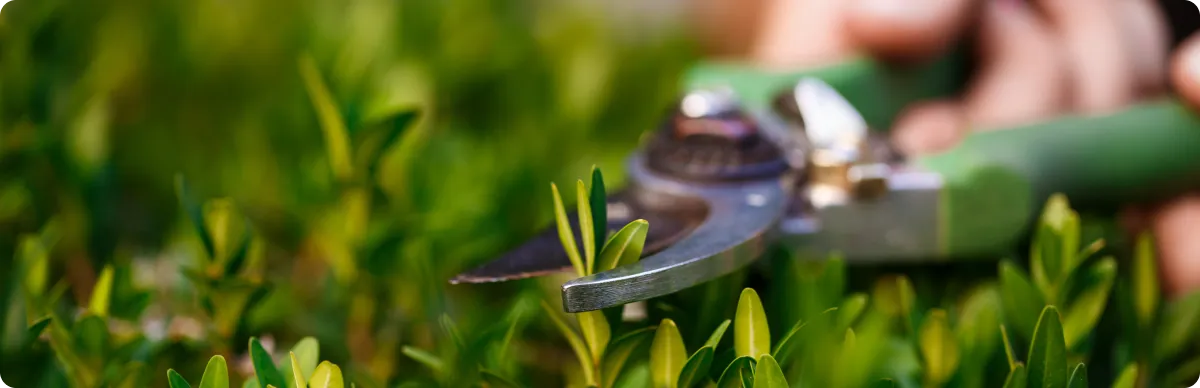
Professional Hedge Shaping
Improved Property Privacy
Expert Local Knowledge
Reliable Scheduling
Eco-Friendly Landscaping Practices
Bee Cave Hedging Types

Boxwood Hedges
-
Privet Hedges
-
Yew Hedges
-
Holly Hedges
-
Laurel Hedges
-
Arborvitae Hedges
-
Photinia Hedges
Our Hedging Process
Consultation and Planning
Site Preparation
Precision Trimming
Cleanup and Inspection
Why Choose Bee Cave Landscape Services
Bee Cave Homeowners Trust Us
-
Local Expertise
-
Reliable Lawn Maintenance
-
Competitive Pricing
-
Professional Team
-
Satisfaction Guarantee
-
Personalized Service
-
Eco-Friendly Solutions
Hedging Practices for Bee Cave’s Expansive Clay and Limestone Soils
Hedging in Bee Cave requires careful adaptation to the city’s predominant Houston Black clay and Brackett limestone-derived soils, as identified by the USDA Web Soil Survey. These soils are characterized by high clay content, alkaline pH (7.5–8.2), and poor drainage, which can lead to root stress and compaction. When establishing or maintaining hedges, it is essential to:
- Amend soil with 2–3 inches of compost tilled to a 6-inch depth
- Conduct soil pH testing (available through Texas A&M AgriLife Extension; typical cost: $15–25)
- Select species tolerant of alkaline, heavy soils (e.g., Texas sage, yaupon holly)
- Space plants 18–24 inches apart for optimal density
Proper soil preparation and species selection are critical for hedge health and compliance with city landscaping standards.
Equipment Operation Hours and Noise Ordinance Compliance for Hedging in Bee Cave
Bee Cave enforces specific noise ordinances for outdoor equipment, including hedge trimmers and power pruners. According to city code, permitted operation hours are:
- Monday–Friday: 7:00 AM – 7:00 PM
- Saturday: 8:00 AM – 6:00 PM
- Sunday and holidays: Prohibited
Operators must ensure all equipment is fitted with functional mufflers and does not exceed 85 decibels at property lines. When working near public roads or parks, high-visibility vests and ANSI Z87.1 safety glasses are required. For projects adjacent to city parks or public spaces, coordinate with the Parks and Recreation Department.
Bee Cave Parks and Recreation Department
4000 Galleria Parkway, Bee Cave, TX 78738
Phone: (512) 767-6600
Official Website: Bee Cave Parks and Recreation Department
Compliance with these standards ensures safe, lawful, and minimally disruptive hedging operations.
Stormwater Protection and Buffer Requirements for Hedging Near Bee Cave Waterways
Hedging activities near Bee Cave’s creeks, wetlands, and stormwater channels must comply with both city and federal water protection standards. The Bee Cave Stormwater (MS4) Program enforces a 25-foot no-disturbance buffer from all mapped wetlands and perennial streams. Clippings, soil, and debris must not be deposited in storm drains or water bodies, in accordance with the Clean Water Act and Texas Water Code. Key compliance steps include:
- Maintain a 25-foot buffer from wetlands and streams
- Use biodegradable bags for debris collection
- Schedule debris pickup on Thursdays (April–November)
- Prohibit fertilizer or pesticide application within 50 feet of water bodies
Bee Cave Stormwater (MS4) Program
4000 Galleria Parkway, Bee Cave, TX 78738
Phone: (512) 767-6675
Official Website: Bee Cave Stormwater (MS4) Program
These measures protect local water quality and ensure compliance with municipal and federal regulations.
Plant Selection and Spacing Guidelines for Bee Cave’s Climate Zone 8b
Bee Cave is located in USDA Hardiness Zone 8b, with average annual minimum temperatures of 15–20°F and hot, dry summers. For sustainable hedging, select species adapted to drought, alkaline soils, and deer pressure. Recommended options include:
- Texas sage (Leucophyllum frutescens)
- Yaupon holly (Ilex vomitoria)
- Wax myrtle (Morella cerifera)
- Agarita (Mahonia trifoliolata)
Plant hedges 18–24 inches apart for dense coverage and allow for mature width to avoid encroachment on sidewalks or property lines. Mulch with 2–3 inches of organic material to conserve moisture and suppress weeds. For additional guidance, consult Texas A&M AgriLife Extension for region-specific plant lists and maintenance recommendations.
What Neighborhoods Do We Serve Throughout Bee Cave, TX?
- Falconhead: Features expansive clay soils and gently rolling terrain, requiring careful drainage management and species tolerant of periodic wetness for hedging projects.
- The Uplands: Characterized by limestone outcrops and shallow soils, necessitating drought-tolerant, deep-rooted hedge species and attention to soil amendment.
- Spanish Oaks: Gated community with mature landscaping, HOA guidelines, and proximity to Barton Creek, requiring strict compliance with buffer and maintenance standards.
- Homestead: Larger lots with native vegetation and minimal irrigation infrastructure, making native, low-water hedging species preferable.
- Bee Cave West: Newer development with compacted fill soils and smaller lot sizes, presenting challenges for root establishment and requiring soil amendment.
- Ladera: Located near conservation areas and wildlife corridors, necessitating deer-resistant plant choices and adherence to environmental buffer requirements.
- The Preserve at Barton Creek: Adjacent to protected creek zones, with strict enforcement of wetland buffers and stormwater management for all landscaping activities.
Municipal Permitting and Zoning Requirements for Hedging Installations in Bee Cave
All new hedge installations in Bee Cave must comply with city zoning ordinances regarding height, setback, and species selection. Hedges over 6 feet in height or within 25 feet of property lines require a permit from the Planning and Development Department. The application fee is $50, with a review period of 10 business days. Key requirements include:
- Maximum hedge height: 8 feet (unless otherwise approved)
- Minimum setback: 5 feet from property lines
- Prohibited species: Invasive or non-native plants as listed by city code
- Permit required for work within 50 feet of wetlands or protected areas
Bee Cave Planning and Development Department
4000 Galleria Parkway, Bee Cave, TX 78738
Phone: (512) 767-6675
Official Website: Bee Cave Planning and Development Department
Review the Bee Cave Zoning Ordinances for detailed requirements before beginning any hedging project.