
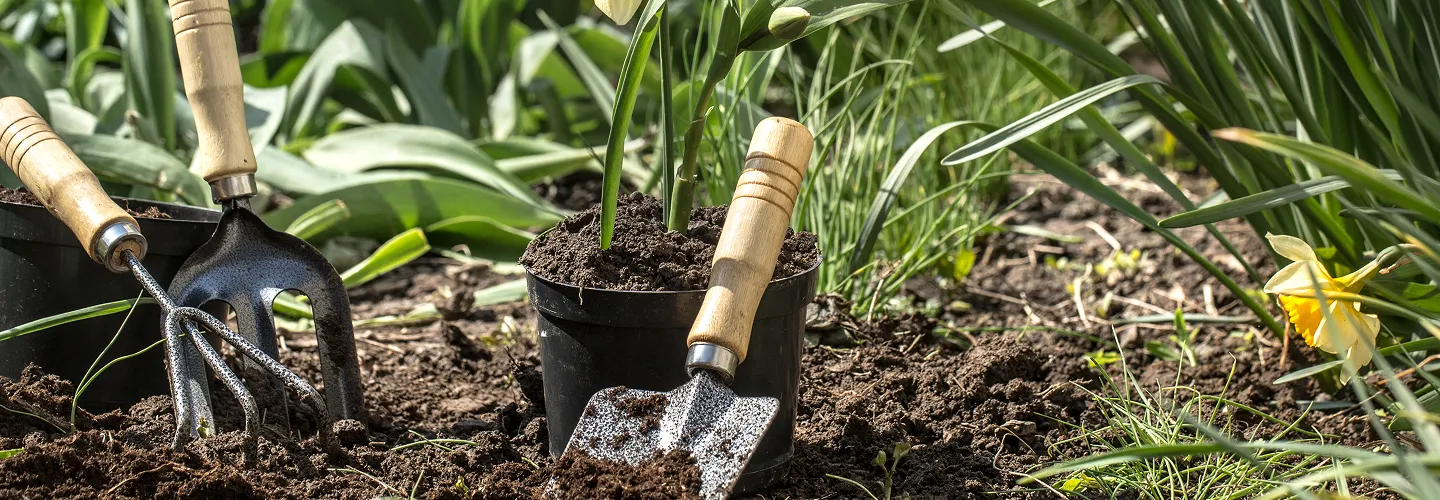
Bee Cave Plant Removal Services
Choose our plant removal services for safe, thorough, and environmentally responsible solutions that restore your landscape’s beauty and health—handled by trusted local experts.
Get a Free QuoteOur Bee Cave Landscaping & Yard Care Services
When to Schedule Plant Removal in Bee Cave, Texas – Seasonal Guide
In Bee Cave, Texas, timing your plant removal project is crucial for both the health of your landscape and compliance with local guidelines. The region’s climate features hot, humid summers and mild winters, with the last frost typically occurring in early March and the first frost in late November. For most neighborhoods—whether you’re near the Hill Country Galleria, Falconhead, or Spanish Oaks—late winter through early spring is often the best window for plant removal. This period allows you to avoid peak heat and drought stress, while also preparing your yard for new growth.
Local environmental factors play a significant role in determining the optimal schedule. Bee Cave’s clay-heavy soils can retain moisture, making removal easier after moderate rainfall but challenging during extended dry spells. Shade coverage from mature oaks in areas like The Homestead can affect soil moisture and root depth, while municipal restrictions may apply to certain protected species. For more information on local regulations, visit the official city resource.
Local Factors to Consider for Plant Removal in Bee Cave
- Tree density and proximity to structures
- Terrain slope and accessibility
- Seasonal precipitation and drought risk
- Frost dates and temperature fluctuations
- Municipal restrictions and permit requirements
- Soil type and drainage characteristics
- Shade coverage from established trees
Benefits of Plant Removal in Bee Cave
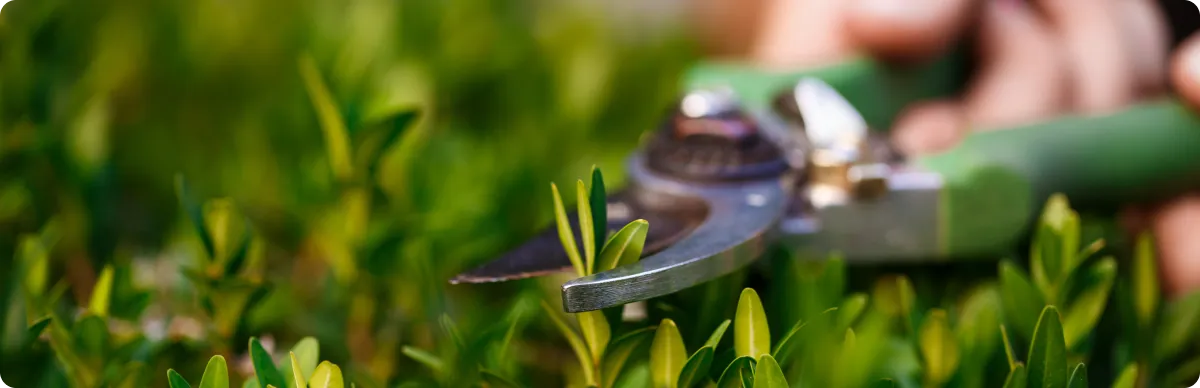
Expert Landscaping Team
Efficient Plant Removal
Eco-Friendly Disposal
Improved Curb Appeal
Customized Solutions
Competitive Pricing
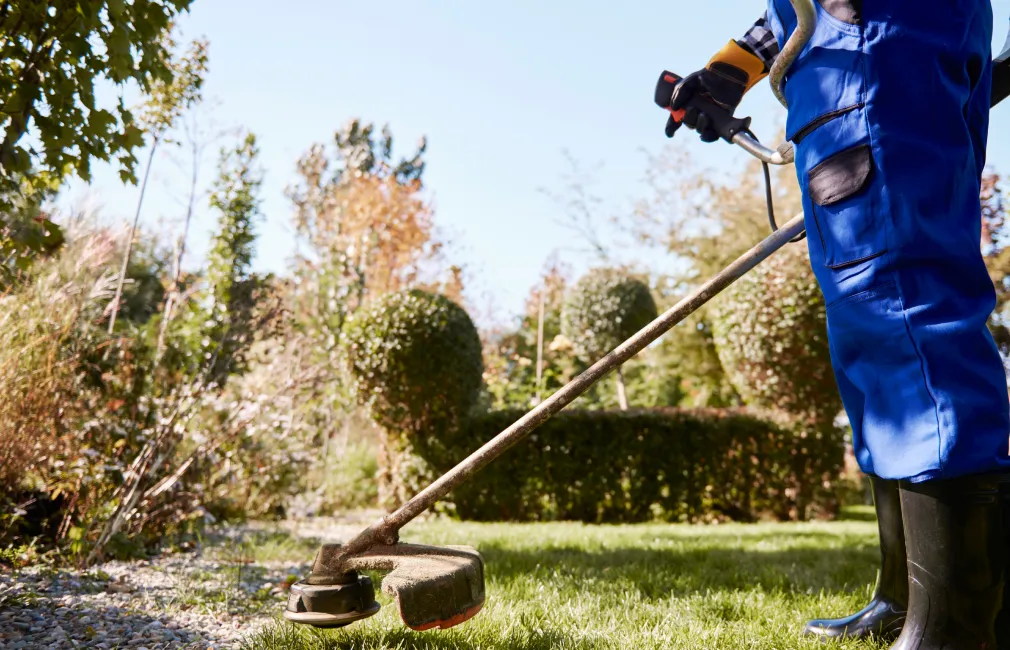
Bee Cave Plant Removal Types

Invasive Species Removal
-
Tree and Shrub Extraction
-
Stump Grinding and Removal
-
Weed and Brush Clearing
-
Overgrown Garden Cleanup
-
Root System Removal
-
Dead Plant Disposal
Our Plant Removal Process
Site Evaluation
Preparation and Safety Measures
Plant Extraction
Debris Removal
Site Restoration
Why Choose Bee Cave Landscape Services
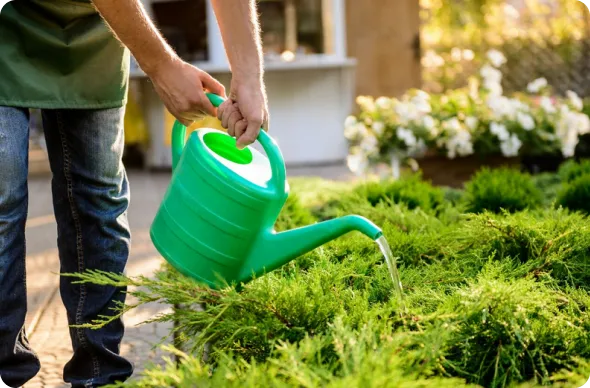
Bee Cave Homeowners Trust Us
-
Local Expertise
-
Reliable Lawn Maintenance
-
Competitive Pricing
-
Professional Team
-
Satisfaction Guarantee
-
Personalized Service
-
Eco-Friendly Solutions
Navigating Bee Cave’s Plant Removal Permitting and Municipal Coordination
Plant removal in Bee Cave is governed by a combination of city ordinances and departmental oversight to ensure orderly development and environmental protection. All removals of protected trees—defined as those with a diameter at breast height (DBH) of 6 inches or greater—require a permit from the city. The application fee is typically $50, with a review period of up to 10 business days. Removal activities must comply with city noise ordinances, restricting equipment operation to:
- Monday-Friday: 7:00 AM - 7:00 PM
- Saturday: 8:00 AM - 6:00 PM
- Sunday and holidays: Prohibited Debris from plant removal must be disposed of according to city guidelines, which prohibit dumping in storm drains or public rights-of-way. Coordination with the city’s planning and code enforcement divisions is required for projects near property lines or protected areas.
Bee Cave Planning and Development Department
4000 Galleria Parkway, Bee Cave, TX 78738
Phone: (512) 767-6600
Official Website: Bee Cave Planning and Development Department
Soil Series and Site Conditions Affecting Plant Removal in Bee Cave
Bee Cave’s landscape is characterized by Houston Black clay and Brackett gravelly clay loam, as identified by the USDA Web Soil Survey. These soils are moderately alkaline (pH 7.5-8.2) and exhibit slow permeability, leading to seasonal drainage challenges. When removing plants, it is essential to account for:
- Soil compaction, especially in developed neighborhoods
- Poor drainage in low-lying areas (seasonal water table at 18-24 inches)
- Rocky subsoils in western Bee Cave Excavation should be performed to a minimum depth of 12 inches for root removal in clay soils. Soil amendments, such as compost incorporation (2-3 inches tilled to 6-inch depth), are recommended post-removal to restore structure. Soil testing is available through Texas A&M AgriLife Extension for $15-25 per sample.
Environmental Compliance: Stormwater, Buffer Zones, and State Regulations in Bee Cave
Plant removal projects in Bee Cave must comply with the city’s MS4 stormwater permit, which prohibits the discharge of organic debris into storm drains and mandates a 25-foot no-disturbance buffer from wetlands and streams. The Texas Water Code and Clean Water Act require that all removal activities protect water quality and prevent sediment runoff. Key compliance steps include:
- Installing silt fencing within 10 feet of water bodies
- Maintaining vegetative buffers along Barton Creek and tributaries
- Prohibiting fertilizer or herbicide application within 50 feet of water features Violations may result in fines or project delays. For guidance, consult the city’s stormwater program and the state environmental agency.
Bee Cave Stormwater (MS4) Program
4000 Galleria Parkway, Bee Cave, TX 78738
Phone: (512) 767-6600
Official Website: Bee Cave Stormwater (MS4) Program
Texas Commission on Environmental Quality
12100 Park 35 Circle, Austin, TX 78753
Phone: (512) 239-1000
Official Website: Texas Commission on Environmental Quality
Seasonal Timing and Weather Considerations for Plant Removal in Bee Cave
Bee Cave is located in USDA Hardiness Zone 8b, with average annual minimum temperatures of 15-20°F. The optimal window for plant removal is October 1 through March 15, when soil moisture is higher and plant dormancy reduces regrowth risk. Avoid removal during peak summer (June-August), when soil temperatures exceed 85°F and drought stress is common. Monitor local weather forecasts through the National Weather Service Austin/San Antonio Office to avoid heavy rainfall events, which can cause soil erosion and site instability. Recommended timing guidelines:
- Major removals: October 15 - February 28
- Minor removals: March 1 - April 15
- Avoid: June-August (heat/drought) Always check for city-imposed seasonal restrictions during drought declarations.
Safety Protocols and Equipment Standards for Plant Removal in Bee Cave
All plant removal operations in Bee Cave must adhere to city and OSHA safety standards. Required personal protective equipment (PPE) includes:
- Eye protection: ANSI Z87.1 safety glasses
- Hearing protection: Earmuffs or plugs for 85+ dB noise
- Footwear: Steel-toed boots with non-slip soles
- Gloves: Cut-resistant for pruning, chemical-resistant for herbicide use Maintain a 15-foot clearance from overhead power lines and a 10-foot buffer from public sidewalks. Equipment must be commercial-grade, with chainsaws and chippers inspected every 25 hours of operation. Traffic control measures, such as cones and signage, are required when working near roadways. The city’s code enforcement division conducts periodic site inspections to ensure compliance.
Bee Cave Code Enforcement Division
4000 Galleria Parkway, Bee Cave, TX 78738
Phone: (512) 767-6600
Official Website: Bee Cave Code Enforcement Division
What Neighborhoods Do We Serve Throughout Bee Cave, TX?
- Falconhead: Features dense tree cover and Houston Black clay soils, requiring careful root removal and compliance with HOA landscaping standards.
- The Uplands: Characterized by rocky Brackett soils and sloped lots, plant removal here often involves erosion control and specialized equipment for access.
- Spanish Oaks: Gated community with strict landscaping guidelines and proximity to Barton Creek, necessitating buffer zone compliance and debris containment.
- Homestead: Larger lots with mature vegetation and variable drainage; removal projects must address seasonal water table fluctuations and city setback requirements.
- Bee Cave West: Newer development with compacted fill soils and limited street access, requiring coordination for debris hauling and adherence to noise ordinances.
- Ladera: Located near conservation areas, plant removal must maintain 25-foot buffers from protected habitats and follow city environmental protocols.
- The Preserve at Barton Creek: Adjacent to sensitive creek corridors, projects here demand strict sediment control and adherence to city stormwater regulations.